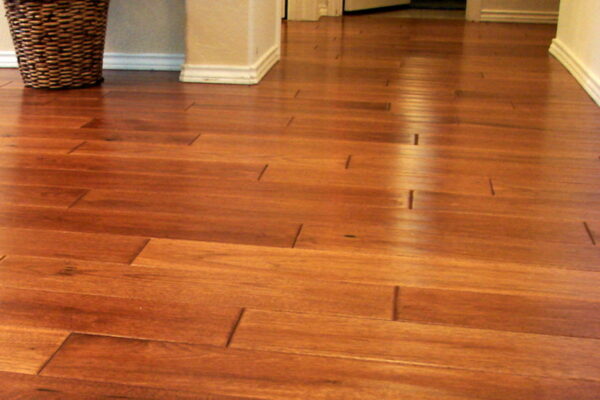


Hardwood Flooring Cost Breakdown
When planning a hardwood flooring project, knowing the costs helps with budgeting. Each part, like materials and labor, adds to the total cost.
Here’s a simple look at the cost per sq ft:
| Size by Square Feet | Low-End Estimate | Average Cost | High-End Estimate |
|---|---|---|---|
| 500 | $3,000 | $7,750 | $11,500 |
| 1,000 | $6,000 | $14,500 | $23,000 |
| 1,500 | $9,000 | $21,750 | $34,500 |
| 2,000 | $12,000 | $29,000 | $46,000 |
| 2,500 | $15,000 | $36,250 | $57,500 |
| 3,000 | $18,000 | $43,500 | $69,000 |
We offer various flooring types: Hardwood, Laminate, Vinyl/LVP, Tile, Carpet, Engineered Hardwood, and Cork. Financing options are available, and you can visit our showroom or store.
Materials: $4 to $12 per square foot
The kind of hardwood you choose affects the cost a lot. You can pick from common types like oak and maple or go for special ones like Brazilian cherry and teak. Each type has its own look and price.
Domestic Hardwood
Domestic hardwoods like oak, maple, and hickory are easy to find and usually cost $4 to $8 per square foot. They are strong and flexible, so many people like them for their homes.
Exotic Hardwood
Exotic hardwoods such as Brazilian cherry, teak, and mahogany have unique patterns and colors. They cost more, about $8 to $12 per square foot, but many people love their special look.
| Hardwood Species | Average Cost per Square Foot (Materials Only) | Average Total Cost per Square Foot (Including Installation) |
|---|---|---|
| Oak | $4 – $8 | $8 – $15 |
| Maple | $5 – $9 | $9 – $16 |
| Hickory | $6 – $10 | $10 – $17 |
| Cherry | $7 – $11 | $11 – $18 |
| Walnut | $8 – $12 | $12 – $19 |
| Ash | $6 – $10 | $10 – $17 |
| Birch | $5 – $9 | $9 – $16 |
| Teak | $9 – $13 | $13 – $20 |
| Mahogany | $10 – $14 | $14 – $21 |

Labor: $4 to $8 per square foot
Labor costs can be 50% to 70% of the total price. Professional installation makes sure hardwood floors look perfect.
Labor costs usually cover putting in the flooring and preparing the subfloor.
Installation
Installing hardwood floors needs skill for a smooth appearance. Installers might charge $4 to $8 per square foot for labor, based on project difficulty and local rates.
Finishing
Labor costs might also include finishing services like sanding, staining, and sealing the hardwood. These steps make the floors look better and last longer.

Subfloor Preparation: $1 to $2 per square foot
Getting the subfloor ready is key to making hardwood floors last a long time. This might mean leveling bumpy spots, fixing subfloor issues, and putting in moisture barriers.
Leveling
If the subfloor is bumpy or has issues, leveling helps make it smooth for laying hardwood.
Leveling usually costs between $1 and $2 per square foot, based on how much work is needed.
Moisture Protection
Moisture can harm hardwood floors, so adding a moisture barrier is important, especially in damp areas.
Installing a moisture barrier generally costs between $1 and $2 per square foot.
Removal of Existing Flooring: $1 to $3 per square foot
Before putting in new hardwood flooring, you might need to take out old materials like carpet, tile, or laminate. This makes sure the surface is clean and even for the new hardwood.
Carpet Removal
Taking out carpet usually costs between $1 to $2 per square foot, depending on the carpet type and if there’s padding underneath.
Tile or Laminate Removal
Getting rid of tile or laminate might need more work and tools, so the cost can be a bit more, ranging from $2 to $3 per square foot.
Summary of Hardwood Flooring Cost Breakdown:
- Carpet Removal: $1 – $2 per sq ft
- Tile/Laminate Removal: $2 – $3 per sq ft
- Leveling: $1 – $2 per sq ft
- Moisture Barrier: $1 – $2 per sq ft
- Installation Labor: $4 – $8 per sq ft
- Finishing Services: Usually included in installation or priced separately if custom stains/sealants are used

Solid Hardwood Flooring Installation
Solid hardwood flooring is known for being beautiful and strong. Installing it usually costs between $11 to $25 per square foot, with materials and labor included.
The cost changes based on the wood type, how complex the installation is, and any extra services needed.
Installation Method
The way you install it affects the price. Traditional nail-down installation usually costs less than glue-down or floating installations.
Additional Services
Extra services during installation can change the total cost. These might include:
- Subfloor preparation: fixing uneven surfaces or other damage
- Moisture barrier installation: important in wet areas
- Staining and finishing: makes the floor look better and last longer, often costs extra

Engineered Hardwood Flooring Installation
Engineered hardwood flooring is strong and flexible in design, making it popular with homeowners. Installation usually costs $7 to $20 per square foot, including materials and work.
Using exotic woods or thick veneers will raise the cost. The type of veneer and finish chosen affects both price and how long it lasts.
Installation Method
The method used can change the total cost:
- Floating floors are usually cheaper and easier to install.
- Glue-down or nail-down installations may be pricier due to extra work and materials.
- Challenges like radiant heating systems or uneven subfloors may add to costs.
Factors That Affect Hardwood Flooring Costs
| Cost Factor | Details |
|---|---|
| Wood Type | Prices differ by wood type. Exotic woods, like Brazilian cherry, are more expensive than local types, like oak or maple. |
| Wood Quality | Engineered hardwood is often cheaper than solid hardwood but looks and works similarly. |
| Installation Method | Floating floors generally cost less to install than glue-down or nail-down methods. |
| Room Size | Bigger rooms need more material and work, raising the total cost. |
| Subfloor Condition | Fixing subfloors, leveling, or adding moisture protection will increase costs. |
| Additional Features | Borders, inlays, or custom designs can increase the price a lot. |
| Additional Services | This might include taking out old flooring, subfloor work, or putting in baseboards or underlayment. |
Professional vs DIY Flooring Installation
Homeowners choose between hiring experts or doing a DIY project for hardwood flooring. Your decision depends on budget, time, and skill with tools.
Professional Installation
Advantages
- Expertise: Professionals ensure proper measurements and alignment.
- Efficiency: Quick work with the right tools, reducing mistakes.
- Warranty: Often includes a labor guarantee.
- Flawless Finish: Sanding, staining, and sealing for a smooth look.
Drawbacks
- Cost: More expensive due to labor charges.
DIY Installation
Advantages
- Cost Savings: No labor fees, good for small budgets.
- Flexible Timing: Set your own pace and schedule.
- Skill Building: Gain new home improvement skills.
Drawbacks
- Quality Risks: Mistakes can affect how it looks.
- Physically Demanding: Needs strength, patience, and lots of kneeling or lifting.
Ready to Turn Your Hardwood Flooring Vision Into Reality?
Picking the right hardwood flooring is important. Knowing the main costs helps you get closer to your perfect room. You don’t have to do it alone.
We’d love to help with a free talk with our flooring installation experts. We’ll assist you in choosing the best wood, understanding how to install it, and planning your budget. Our team wants you to have floors you’ll enjoy for many years.
Contact us today to set up your free home flooring consultation and check if we serve your area.